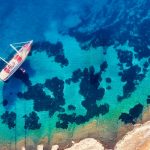
This is your sign to spend next summer on the Turkish Riviera. In Turkish Riviera, turquoise water actually looks turquoise, and every day moves at half speed (in the best way!)
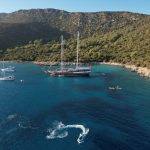
Also known as the turquoise coast, this stretch of Türkiye’s southern shoreline runs from Antalya to Fethiye to Marmaris and Bodrum, and it’s one of Europe’s most underrated summer escapes. Swim in hidden coves around Kaş and Kalkan where you can literally dive off the rocks into azure blue water, explore the ancient ruins of Phaselis and Olympos where history meets the sea, sail on a traditional gulet yacht stopping wherever the water is bluest, and eat your way through Bodrum with fresh grilled sea bass, bubbly prosecco, and golden sunsets guaranteed.
But what exactly is a gulet holiday, and why has this uniquely Turkish way of experiencing the Mediterranean captured the hearts of travelers seeking something beyond ordinary beach vacations?
What Exactly Is a Gulet Holiday and Why Is It Perfect for the Turkish Riviera?
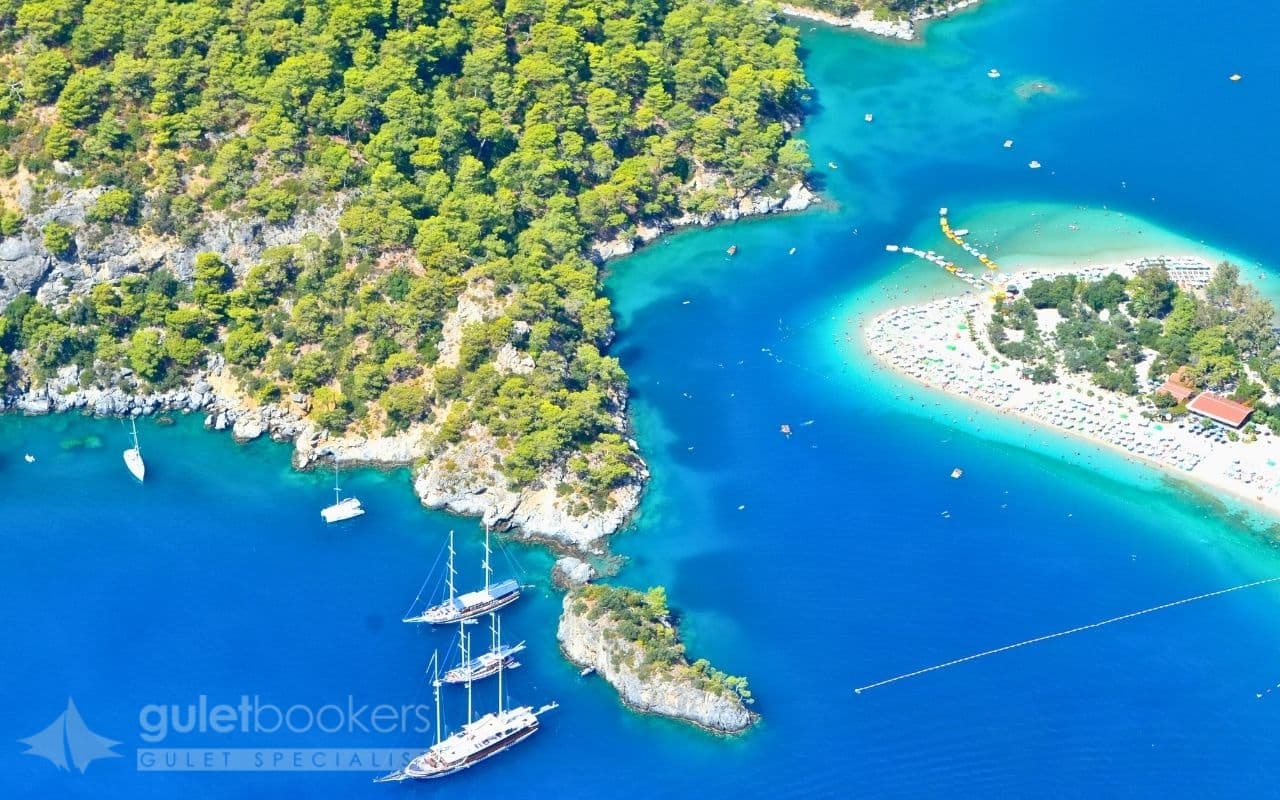
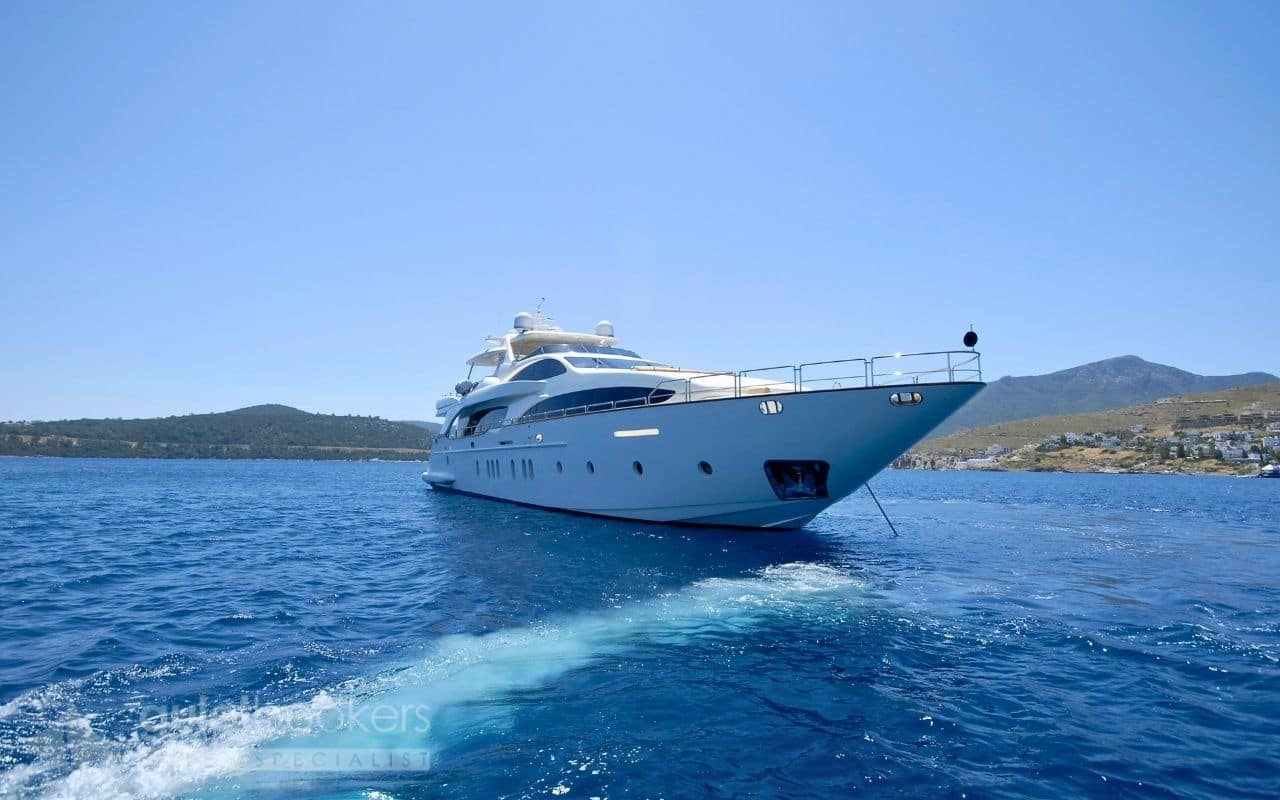
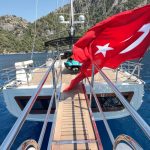
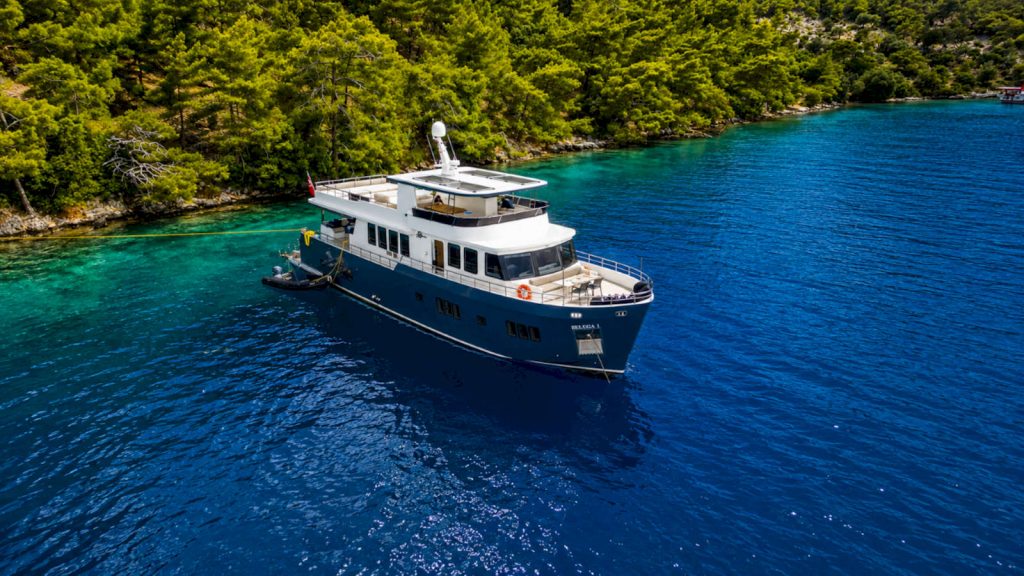
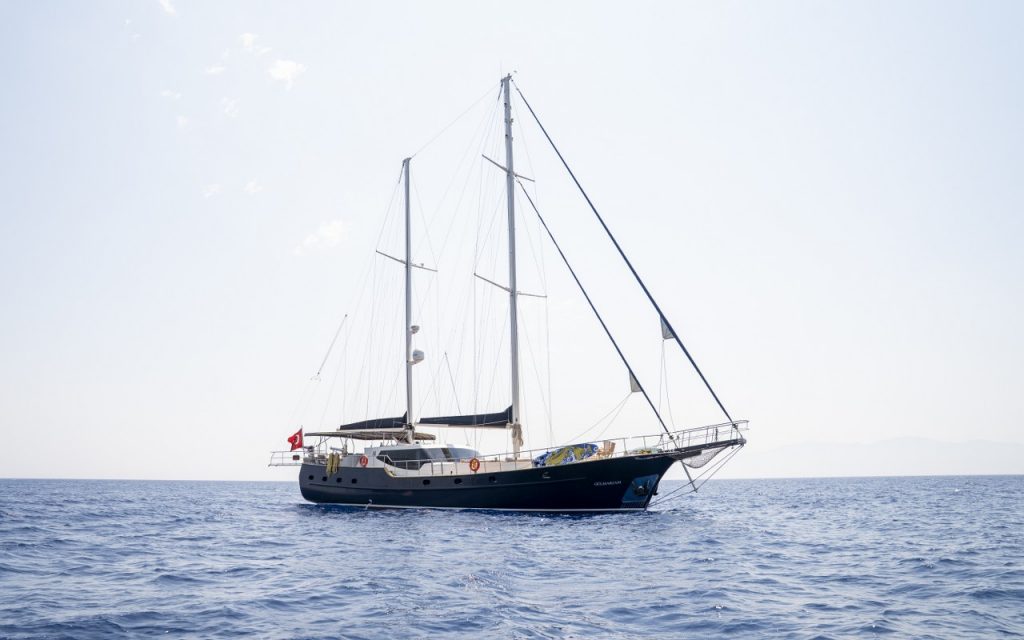
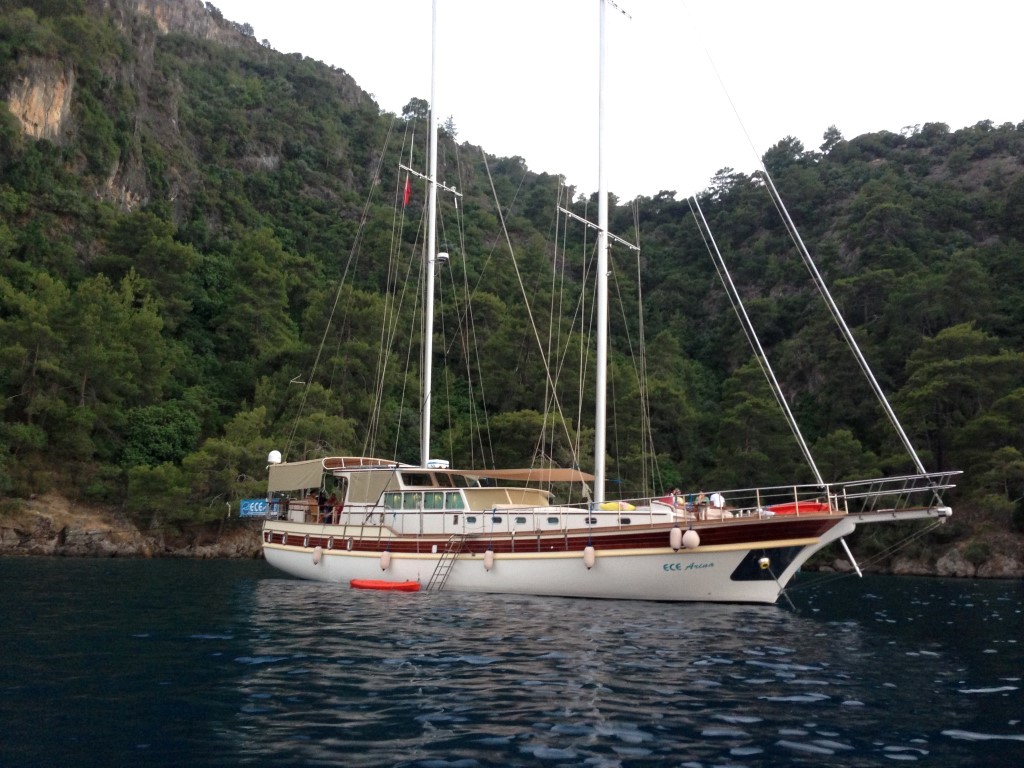
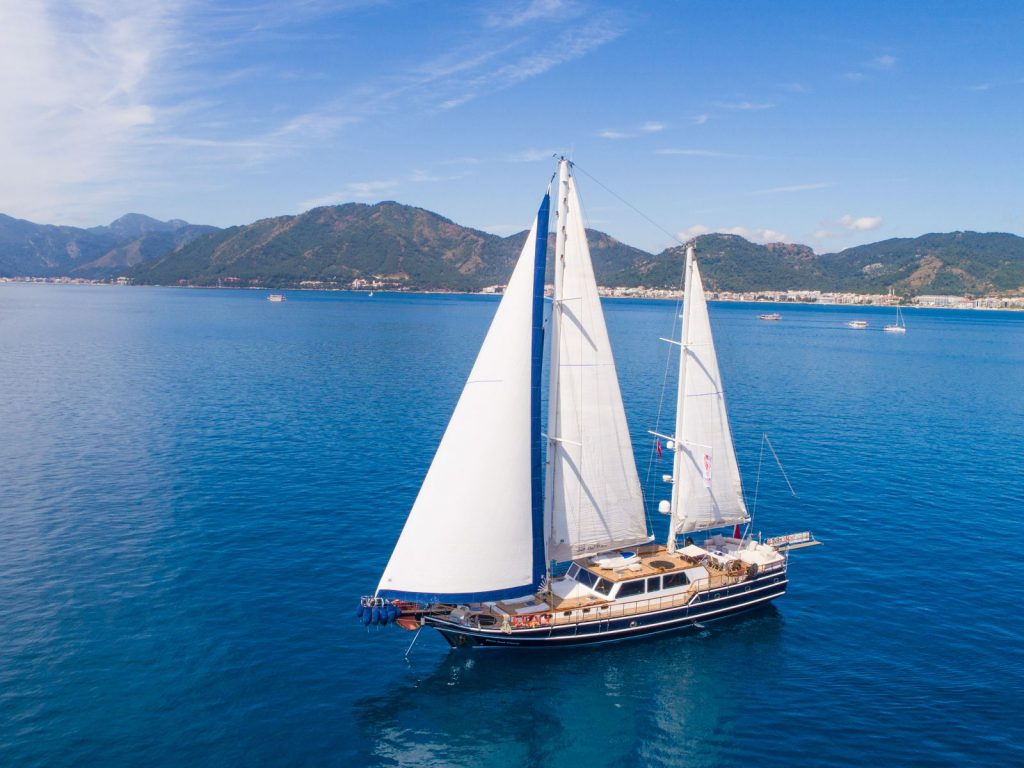
A gulet holiday is a traditional Turkish sailing experience aboard a wooden yacht, combining the romance of sailing with the comfort of a floating boutique hotel as you cruise the turquoise coast. These handcrafted yachts, originally used by Turkish fishermen and sponge divers, have been transformed into luxurious charter boats ranging from cozy 4-cabin charter boats perfect for families to opulent 8-cabin yachts with jacuzzis and water toys.
Unlike conventional yacht charters where you’re expected to sail the boat yourself, gulet cruises come with a full crew—typically including a captain, cook, and deck hands—who handle everything while you simply relax. The experience centers on slow travel at its finest: swimming in secluded bays inaccessible by land, dining on freshly grilled sea bass under the stars, and exploring ancient ruins that rise dramatically from the coastline.
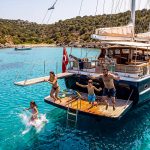
What makes gulets ideal for the Turkish Riviera specifically is their shallow draft, allowing them to anchor close to shore in the region’s countless protected coves and bays. While mega-yachts must stay farther out, your gulet can tuck into intimate swimming spots where you can literally dive off the stern into that impossibly blue water Turkey is famous for.
The traditional design features a wide beam that creates spacious deck areas—perfect for sunbathing, outdoor dining, and socializing. Below deck, air-conditioned cabins provide comfortable sleeping quarters, each typically with private bathrooms. The crew quarters are separate, ensuring your privacy while keeping the staff readily available whenever needed.
Most importantly, a gulet holiday isn’t about rushing from port to port checking destinations off a list. It’s about waking to gentle waves lapping against the hull, swimming before breakfast in water so clear you can see ancient pottery shards on the seabed, and falling asleep under stars so bright they reflect off the midnight sea. It’s about rediscovering what “vacation” actually means.
What Makes Gulet Holidays Special Compared to Other Mediterranean Options?
Gulet charters deliver an intimate, crew-inclusive exploration of the Turkish Riviera at a fraction of the cost of comparable Croatian or French yacht experiences, while offering a unique blend of ancient history, pristine nature, and authentic Turkish culture unavailable elsewhere. This combination of value, uniqueness, and ease makes blue cruising Turkey’s signature luxury experience.
How Do Gulet Prices Compare to Other Mediterranean Yacht Charters?
Turkish gulet charters cost 30-50% less than equivalent Croatian or Greek yacht experiences and 50-70% less than French Riviera or Italian Amalfi Coast boat holidays, making Turkey the Mediterranean’s best value for chartered yacht experiences. A luxury gulet accommodating 12 guests for €18,000 weekly (€1,500 per person) delivers comfort and service that would cost €30,000+ in Croatia or €40,000+ in France.
This value gap exists for several compelling reasons. Turkey’s lower cost of living means crew salaries, provisioning, and marina fees are substantially cheaper than Western Europe. The gulet fleet is enormous—over 1,000 charter boats—creating healthy competition that keeps prices reasonable. Turkish boat owners often operate more modestly than Western European yacht companies, with lower overhead and profit margin expectations.
The crew-inclusive model particularly advantages Turkey. Croatian bareboat charters might look cheaper initially, but adding professional crew (required for groups without sailing experience) quickly escalates costs beyond Turkish crewed gulet rates. The Turkish standard of providing captain, cook, and crew as part of the base price delivers exceptional value.
This price advantage doesn’t reflect inferior quality. Many Turkish gulets match or exceed the construction quality, comfort, and maintenance standards of Greek or Croatian yachts. You’re not sacrificing experience for savings—you’re simply benefiting from Turkey’s lower cost structure and competitive market.
For American or European travelers accustomed to expensive domestic vacations, the realization that a week-long yacht holiday with meals, crew, and incredible scenery costs less than many land-based resort holidays represents a genuine surprise and tremendous value proposition.
Why Is the Turkish Riviera Less Crowded Than Other Mediterranean Destinations?
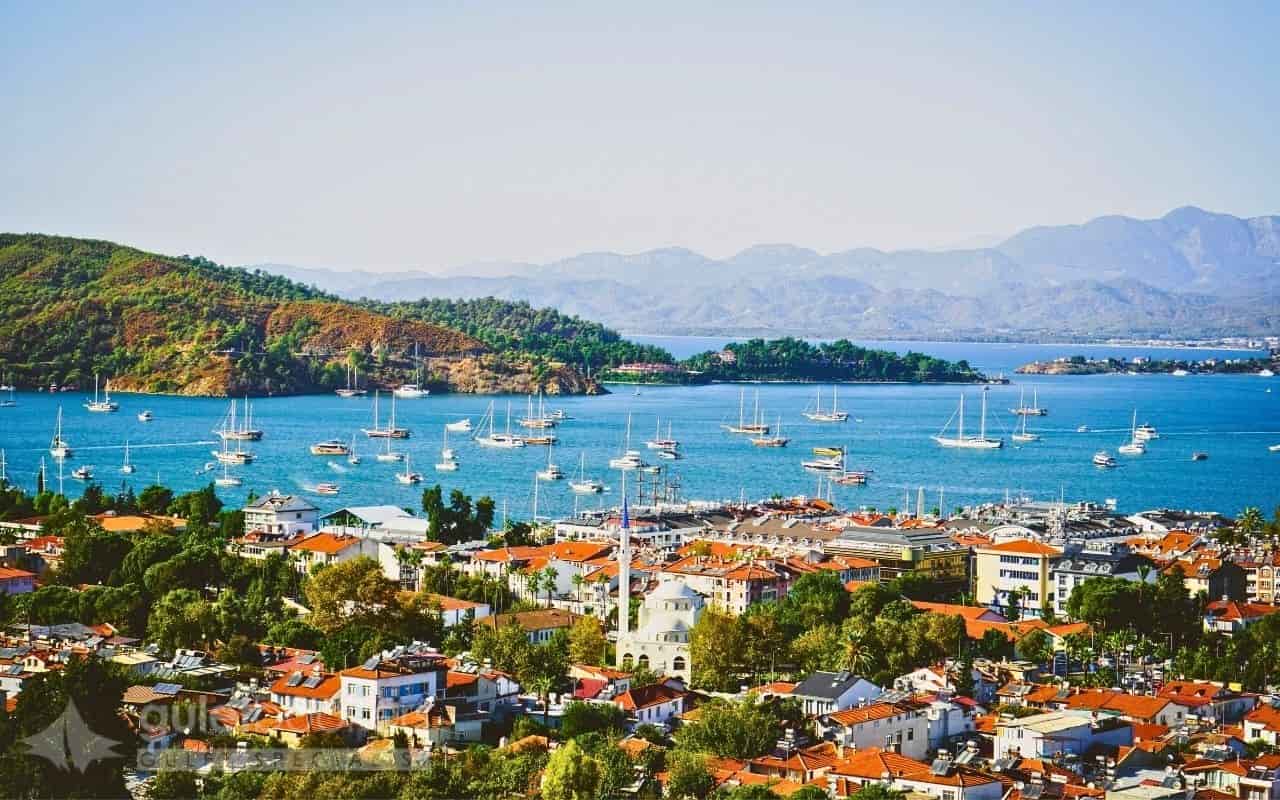
The Turkish Riviera remains relatively undiscovered by mass tourism compared to the Greek Islands, Croatian coast, or Italian rivieras, despite offering comparable beauty and superior value, largely due to outdated perceptions, less aggressive tourism marketing, and Turkey’s geographic position at Europe’s edge. This translates to anchorages where you might see 3-5 boats instead of 30-50, and authentic harbor towns that feel genuinely Turkish rather than tourist-sanitized.
While Mykonos and Santorini groan under overtourism, and Croatian hotspots like Hvar see yacht congestion requiring reservations for popular bays, the Turkish coast’s protected gulfs and countless coves easily absorb visitors. Even popular anchorages near Göcek rarely feel crowded, and moving just one bay away from the most famous spots often means finding complete solitude.
The harbor towns retain authentic character because the local economy doesn’t depend solely on tourism. Fishing, olive oil production, and other industries remain vibrant, meaning restaurants serve locals as well as visitors, shops sell everyday goods alongside souvenirs, and you’ll hear Turkish conversations at the next table rather than just English, Spanish, and Italian.
Political perceptions occasionally deter travelers who conflate broader Middle Eastern instability with Turkey, despite the Turkish Riviera being among Europe’s safest destinations with virtually no tourist-targeted crime and a tourism infrastructure refined over decades. These misperceptions work to conscious travelers’ advantage—fewer crowds, better prices, and locals who genuinely appreciate foreign visitors rather than taking them for granted.
The result is a Mediterranean experience that feels like discovering a secret—the scenery and swimming that rival anywhere in the region, but with space to breathe and authenticity increasingly rare in Europe’s overrun coastal areas.
What Historical and Cultural Experiences Are Unique to Turkey?
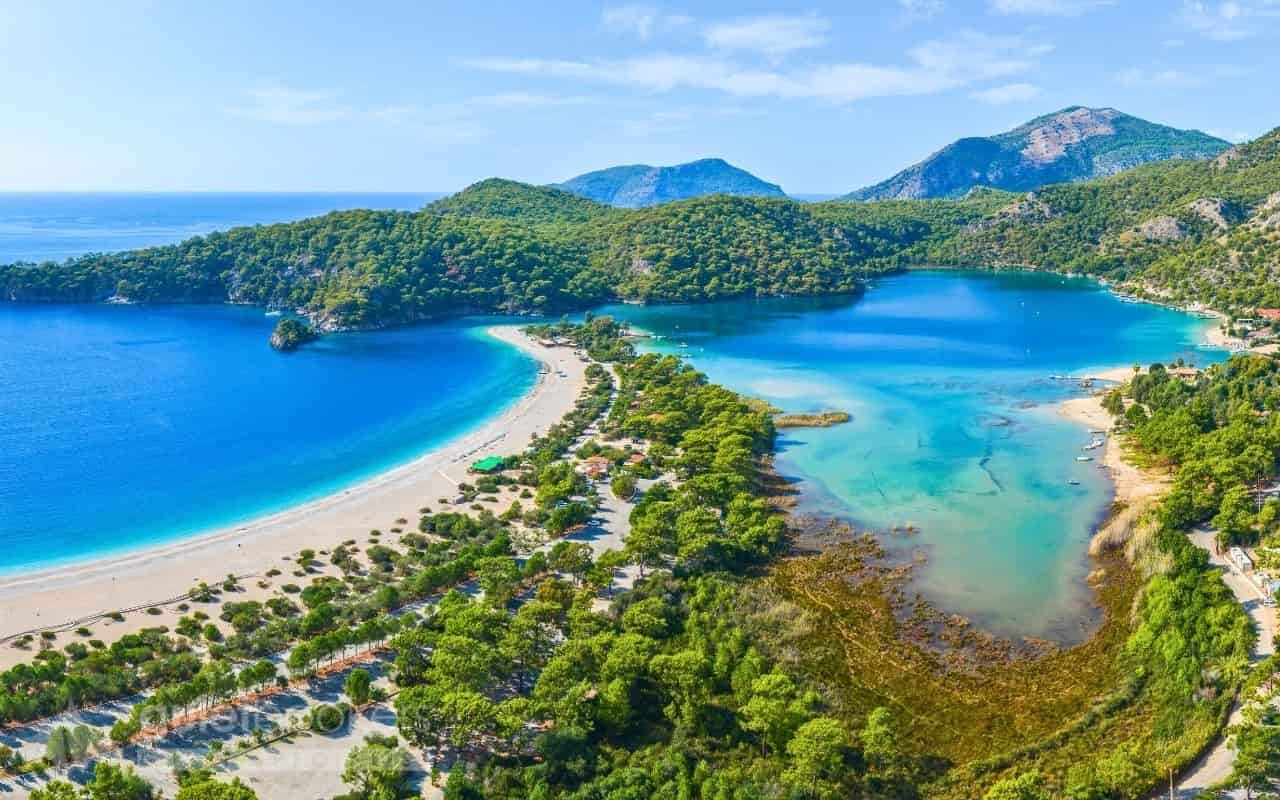
The Turkish Riviera offers unmatched historical depth where ancient Lycian, Greek, and Roman ruins emerge directly from azure waters, creating opportunities to swim in ancient harbors, kayak past cliff tombs, and explore archaeological sites so vast and remote you’ll often have them entirely to yourself. No other Mediterranean region combines this density of remarkably preserved antiquity with world-class coastal beauty quite like Turkey.
Kekova’s sunken city, where you snorkel above staircases, building foundations, and amphora scattered across the seabed, provides an experience unavailable anywhere else—an entire ancient settlement preserved underwater. The Lycian rock tombs carved into cliffs throughout the coast (particularly spectacular at Dalyan and Myra) create otherworldly landscapes where ancient death rituals meet stunning natural beauty.
Land excursions can include Patara’s 11-mile beach backed by extensive ancient city ruins (one of the most significant archaeological sites in the Mediterranean), Xanthos and Letoon UNESCO World Heritage Sites with theaters and temples from the 7th century BCE, and Olympos where you can explore Roman ruins at sunrise then watch the eternal Chimera flames by night—natural gas fires that have burned continuously for over 2,000 years.
The cultural experiences extend beyond ancient history. You’ll swim in bays where Turkish families from inland cities come for summer holidays, creating opportunities for genuine cultural exchange. Markets in places like Fethiye offer authentic Turkish life—spice vendors explaining different pepper blends, old men sipping tea and playing backgammon, and produce stalls piled with vegetables you’ve never seen before.
Evening meals prepared by your Turkish cook introduce regional specialties—Aegean mezes, fresh grilled fish prepared Ottoman-style, hand-rolled gözleme, and Turkish breakfast spreads that reveal this cuisine’s sophistication beyond the kebabs most Westerners know. Your crew shares stories of Turkish maritime traditions, teaches a few Turkish phrases, and offers insider perspectives on Turkish life that transform the journey from sightseeing into genuine cultural immersion.
This combination—the freedom and luxury of a private yacht, the historical richness of one of humanity’s oldest continuously inhabited regions, and authentic cultural experiences in a place that remains genuinely Turkish rather than tourist-themed—creates something available nowhere else in the Mediterranean.
What’s Included in a Typical Gulet Charter?
Understanding what comes standard with your gulet charter helps you budget accurately and sets proper expectations. The base charter price covers the boat rental, complete crew (captain, cook, deckhand/s), yacht insurance, fuel for approximately 4 hours of daily engine use, harbor fees for standard overnight stops, and basic water sports equipment like snorkeling gear, paddleboards, and fishing tackle.
The crew’s accommodations and meals are included—you’re never asked to feed the staff or provide their lodging. Towels and linens are provided and laundered by the crew throughout the week. The base price also typically includes unlimited use of the boat’s dinghy for shore transfers, standard Wi-Fi (though speeds can be limited), and air conditioning during sleeping hours.
What surprises many first-time charterers is how much this covers. Your cook prepares three meals daily (breakfast, lunch, and dinner), though you’ll purchase the actual food separately. Your captain plans the daily route, handles all navigation and safety, and serves as your local guide. Your deckhands maintain the boat, assist with swimming, handle lines, and generally ensure everything runs smoothly.
This crew-inclusive model is what distinguishes gulet charters from bareboat yacht rentals, and it’s why the experience feels more like a floating boutique hotel than a boat rental—you’re genuinely on vacation rather than working to operate a yacht.
Ready to Explore the Routes?
Now that you understand what makes gulet holidays special, the next question becomes: where should you sail? The Turkish Riviera offers several spectacular routes, each with distinct character and attractions. From the famous Fethiye-Göcek route beloved by 35% of charter guests, to the adventure-filled Kaş-Kekova coastline with its underwater ruins, to the sophisticated Bodrum-Gökova Bay combination of nightlife and nature—your perfect blue voyage is waiting to be discovered.
The turquoise coast isn’t just a destination; it’s an experience that changes how you think about travel. It’s where ancient history rises from crystal waters, where your biggest daily decision is which secluded cove to swim in, and where sunset from your gulet’s deck becomes the evening’s entertainment.
This might just be your sign to book next summer’s most unforgettable adventure.










 Türkçe
 English
 Germany
 Français
 Español
 Italiano
 Russia
 Yacht Charter Request
  Call Us
  Contact Form
 Home
Home  Call Us
  Contact Us